
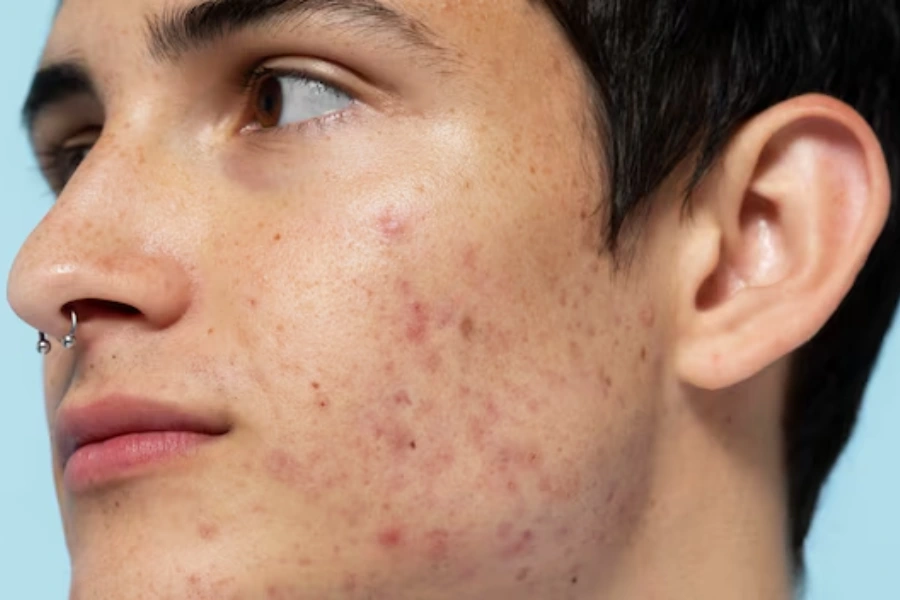




Skin breakouts accompanied by skin inflammation often leave traces behind after healing. That’s post-acne marks or acne scars. Both are often understood as the same skin problem, but they are two distinct, bothersome post-acne concerns. They differ in cause, appearance, and clearing times, usually requiring a targeted, tailored treatment approach.
Wondering which post-acne skin issue you have? Or how to achieve clearer, smoother, even-toned skin after acne?
Knowing everything about post-acne marks and acne scars can only help you in getting effective treatment and skincare guidance. This guide by an acne treatment doctor in Jayanagar, Bangalore, at Aarna Clinic provides a detailed comparison.
What Are Post-Acne Marks?
Post-acne marks are the flat, superficial skin discolorations, reminiscent of inflammatory acne breakouts. Dermatologists call it post-inflammatory hyperpigmentation (PIH). These marks are usually brown, red, or purple, depending on one’s natural skin tone. They are the result of increased melanin production triggered by skin inflammation during a breakout.
Post-acne marks only affect the skin surface and so can naturally fade. However, its disappearance is much faster and more complete with a dermatologist-recommended skin resurfacing/brightening product or procedure.
What Are Acne Scars and Their Types?
Acne scars are the ugly reminders of the deep damage caused to the skin structure and texture by inflammatory acne breakouts. Normally, collagen is required for natural, smooth healing of any injured skin after an acne breakout. Acne scars develop when there is unusual collagen growth at the site of healing acne.
Based on the level of collagen produced during the healing of inflammatory acne, acne scars are broadly of two types:
- Depressed or Atrophic Acne Scars– These are the result of a lack of collagen. They are of different types, based on appearance: Ice pick, Boxcar, and rolling scars.
- Thick, Raised Acne Scars– These are the result of an excess of collagen. They are of two kinds based on severity: Hypertrophic and Keloid.
Post-Acne Marks Vs Acne Scars- A Quick Comparison Chart
This table highlights the key differences between post-acne marks and acne scars.
| Factors | Post-Acne Marks | Acne Scars |
| How Do They Appear on the Skin? | They show up as flat, pink, red, purple, or brown patches on the skin. | They either show up as skin indentations or as raised, thickened skin. |
| What is the cause of the occurrence? | It is caused by melanin excess brought by inflammation. | It is the result of serious damage to tissue and disrupted collagen production. |
| How Long Do They Take to Heal? | It can fade in several weeks to months, without treatment. | It will stay permanently, without treatment. |
| How Difficult is Treatment? | It affects the skin’s epidermal layers and is therefore easier to remove. | It affects the skin deeply and so needs advanced, in-clinic procedures. |
| What Are the Treatment Options? | Skin brightening treatments are generally required. | Skin resurfacing or collagen-boosting treatments are generally required. |
How to Know Which One You Have?
You can even self-check which post-acne problem you have by just feeling your affected skin:
- Acne marks will feel smooth, flat, and discolored.
- Acne scars will feel irregular- either as depressed skin or as bumps.
- But it is highly recommended to see a dermatologist to get your post-acne skin condition properly examined and receive the best solution to identify the problem.
How to Effectively Treat Each Post-Acne Problem- Top Professional Treatments
Most recommended solutions for post-acne marks include:
- HydraFacial– It is a multi-step medical-grade facial where modern technology is utilized to deep cleanse, exfoliate, extract impurities, and simultaneously infuse the skin with brightening serums for an overall clearer, smoother, brighter complexion. It can address skin redness, brown spots, dullness, and uneven complexion.
- Chemical Peels– These are exfoliating acids that work by causing controlled skin peeling of damaged layers and increasing skin cell turnover. Thus, it’s best for acne marks.
- Consistent Use of Skin Brightening Actives– Vitamin C, niacinamide, alpha-arbutin, and kojic acid- all work best to fade mild to moderate post-acne marks and even out the skin tone.
Best clinical procedures for acne scars include:
- Microneedling– It can help boost collagen production to fill in and smooth indented acne scars. When combined with radiofrequency energy, the delivery of radiofrequency-generated heat to deeper skin layers can help repair skin with deep acne scars.
- Chemical peeling– Based on the depth of acne scars, a specific exfoliating acid can be applied to promote new skin cell growth.
- Laser acne scar removal– The laser heat can resurface the scarred skin by rebuilding collagen.
Besides these, acne marks and acne scars also require a well-rounded care routine, tailored by the right dermatologist. If both concerns are present, acne marks (surface pigmentation) are treated first, followed by acne scars (skin texture issue).
Conclusion
For a clear, smooth, even complexion after acne breakouts, it’s important to first identify which post-acne skin concern you have developed. Though both are triggered by inflammation, acne marks are temporary, flat discolorations, while acne scars are depressed or raised areas that cause uneven skin texture.
The differences in the causes, extent, and healing capacity of both problems shape treatment decisions. An experienced dermatologist can only help provide targeted solutions.
If you’re in Jayanagar, consulting a qualified dermatologist can help you understand your skin better and choose the right treatment approach.
Early consultation with a dermatologist in Jayanagar at Aarna Clinic can help prevent minor skin issues from becoming more difficult to treat.
View Our Happy Patients’ Results
Real Results | Skin & Hair Before-and-After | Aarna Clinic
Meet Us At
https://share.google/EjMsiv4jHsr3rNndK
FAQs on Treatment of Acne Marks and Acne Scars
Can acne scars naturally fade?
No. They need professional, collagen-rebuilding skin treatments to heal and fade as the skin structure gets disrupted.
Can post-acne marks and acne scars appear together?
Yes. They frequently appear together on the skin, especially after a severe acne breakout, such as nodules and cysts.
Are post-acne marks permanent?
No. They generally fade on their own within 4-8 weeks (if light) or 3-12 months (if dark or persistent). However, with appropriate sunscreen and customized skin treatments, the process can go more quickly.
When should I see a dermatologist for post-acne marks or acne scars?
Seek a skin professional’s attention if suffering from severe acne breakouts, stubborn post-acne marks, or acne scars despite 1-2 months of consistent at-home care, and low social confidence and comfort.
Which is the best treatment for acne scars and post-acne marks?
A dermatologist will recommend a customized, combination approach based on your post-acne concern type and extent, skin type/tone, and treatment goals.