


Acne flare-ups will no longer be there as adolescence ends.
That’s a commonly held view.
This belief proves wrong when suddenly acne surfaces on your skin, in your late 20s, 30s, or even 40s- adulthood.
Or when skin remains acne-prone even after the end of teenage years.
This is not regular acne.
It’s the hormonal acne, which will require different attention.
Let’s talk all about hormonal acne in adults, and what dermatologists in Bangalore at Aarna Clinic recommend for acne treatment.
Why Adult Acne Is Sensed Differently from Teenage Acne?
Acne that flares up in teenage years is usually mild, but acne in adults is often deep-seated.
The acne breakouts that adults experience are an outcome of:
- Fluctuating hormones
- Poor sleep schedule
- Unhealthy lifestyle choices
- Stressed routine
- Internal imbalances.
That’s why adult acne will require another remedy, as the same acne treatment that worked in teenage years will fail.
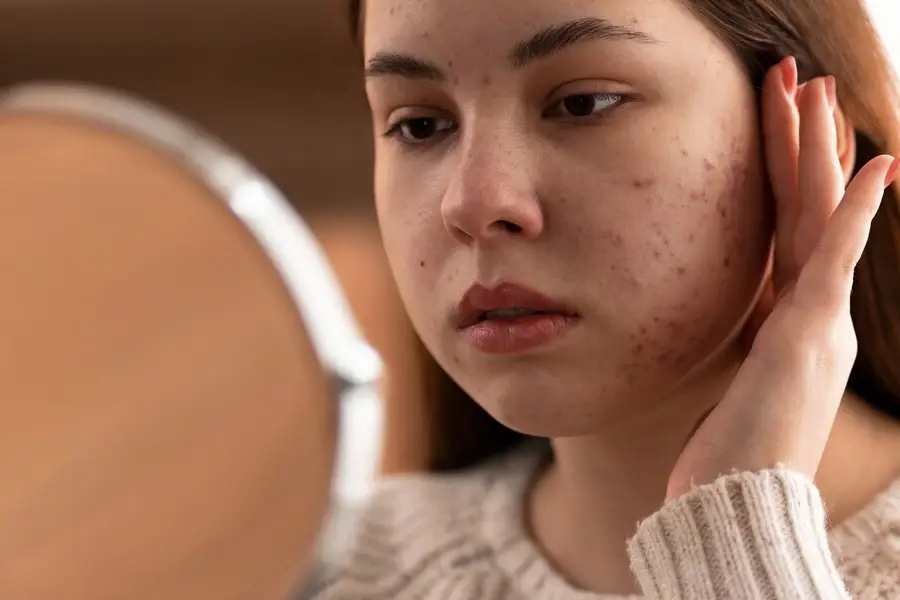
What Hormonal Acne Really Looks Like?
Hormonal acne in adults does not always appear severe, but it often occurs in patterns.
You most likely have hormonal acne if you are an adult facing:
- Cystic acne- Deep, painful acne
- Pore congestion along the chin and jawline
- Cyclical breakouts around or during menstrual periods
- Acne flare-ups despite basic skincare and acne treatments.
The Real Triggers- It’s Not the Hormone Alone
Hormonal shifts are the key reason, but not the sole trigger, for acne in adults.
Here’s what exactly brings hormonal acne flare-ups in adults:
- And-rogen activity- Andr-ogen hormone, when in excess, increases sebum production, which clogs pores.
- Corti-sol spikes- Cort-isol is the hormone produced during excessive stress. It makes the skin more inflamed, causing breakouts.
- Insulin fluctuation- A rise in blood sugar causes a surge of insulin hormone, which further triggers acne.
- Internal imbalance- An irregular, restless sleep at night, an unhealthy diet, and even more screen time could cause acne.
A chain of reactions inside the body generally leads to acne, not one cause.
Why is Hormonal Acne More Common in Real-life Occurrences Today?
With a fast-paced lifestyle, hormonal acne has become a more familiar concern for adults. It happens due to:
- High intake of sugar-loaded foods, unhealthy fats, spicy and oily foods, or processed foods
- Hormonal imbalances brought by an unhealthy routine (like in PCOS)
- Prolonged stress or physical/emotional exhaustion
- Exposure to pollutants.
Hormonal Acne Can’t Be Treated Like Regular Acne
Yes, no one treatment would suit all hormonal acne sufferers. Today, hormonal acne is treated with a layered, individualized approach.
At the surface level, it is skincare.
An acne treatment doctor in Bangalore at Aarna Clinic generally recommends using topicals containing:
- Reti-noids- for regulating skin cell turnover
- Salicylic acid- for chemical exfoliation and pore deep cleansing
- Niacinamide- for balancing natural skin oil, calming inflammation, and clearing post-acne marks.
If topicals alone do not work, then a dermatologist recommends medical treatments like:
- Hormonal therapy (in selected patients)
- Oral drugs like isotreti-noin (for severe acne)
- Targeted anti-inflammatory products/treatments.
In some cases, adults with acne would need in-clinic, dermatological procedures such as:
Chemical peels- for controlled exfoliation, the removal of cell debris that clogs pores
Laser and light therapies- for skin resurfacing and pore shrinkage, oil balance, and heat killing of acne-causing bacteria
Acne-specific facials- for targeted acne clearance using medical-grade protocols, technology, and specialized products.
Nowadays, dermatologists consider a combination of skincare, lifestyle, and professional care for the management of hormonal acne.
Prevention: Where Hormonal Acne Can Be Controlled?
Hormonal acne in adults is due to internal factors that can’t be totally avoided. But you can make your acne less bad or damaging to the skin by:
- Acting early
- Lifestyle tweaks
- Practicing gentle skin care
- Being aware of hidden acne contributors
- With a consistent, proper sleeping routine, healthy meal intake, and enough daily hydration
- Aggressiveness toward acne could worsen inflammation. So, avoid over-exfoliation and harsh skin treatments
- This includes stress, reduced water intake, and unhealthy foods such as high-glycaemic foods.
If you have one or two mild acne breakouts, an early intervention can prevent severe breakouts.
The Emotional Side of Hormonal Acne, Which Remains Undiscussed
Hormonal acne breakouts in adults not only impact aesthetics but also self-perception and
social confidence.
And, people often tell you to figure it out by yourself.
But in reality, hormonal acne in adults is a medical issue that can only be controlled with a dermatologist’s help. Don’t think it’s an occurrence as a personal failure to maintain well-being.
The Paradigm Shift in Treating Hormonal Adult Acne: Skin Health is Linked to Internal Health.
Modern dermatology emphasizes that skin reflects what is happening inside our bodies.
This means:
- Hormonal acne treatment will require more than topicals
- Preventive measures for hormonal acne go beyond skincare
- The treatment takes time and needs consistency. Quick fixes are not really possible
- Thus, the whole system needs to be examined to control hormonal acne.
Cost of Acne Treatment in Jayanagar
The cost of acne treatment in Bangalore starts from INR 4,000- 15,000 per session.
This is just an estimate of the cost; the overall treatment cost is determined based on certain factors.
This includes:
- Type of acne treated
- Number of sessions required
- Grade and severity of acne
- Location of the clinic
- Dermatologist’s experience
- Combination treatments offered
- Package vs per-session pricing.
Final Thoughts
With the right treatment, timely intervention, and a proper dermatologist-guided approach, hormonal acne can be managed.
Dermatologists help determine the cause of the skin concern, and their treatment approach helps achieve a healthy outcome.
If you are experiencing any acne caused by hormonal changes, pollution, or other factors, you can seek help from the best acne treatment doctors in Jayanagar at Aarna Clinic.
They provide the most suitable acne and acne scar treatment strategies to help you attain acne-free skin and prevent the formation of acne scars or marks.
Visit for more details.
View Our Happy Patients’ Results
Real Results | Skin & Hair Before-and-After | Aarna Clinic
Meet Us At
https://share.google/EjMsiv4jHsr3rNndK
FAQs on Hormonal Acne
At what age does hormonal acne appear?
It can appear in the late 20s, 30s, or even later. Hormonal changes cause it.
Is hormonal acne permanent?
No, but it sometimes recurs. With proper treatment, skin care, and lifestyle management, it can be managed.
Can diet really affect hormonal acne?
Yes, eating high sugar and dairy products can trigger hormonal pathways and worsen acne.
How is hormonal acne different from regular acne?
Internal hormonal changes cause it and are deeper, more painful, and often occur in a cycle.
Are home remedies effective in managing hormonal acne?
They may help with mild cases, but moderate to severe hormonal acne often requires proper medical treatment.
When should I see a dermatologist?
If one’s acne is persistent, painful, or leaving marks/scars, professional help from a dermatologist is recommended