



Pigmentation, the skin darkening in spots or patches, is a chief source of distress, especially in young Indians. It is driven by both extrinsic and intrinsic factors, such as prolonged UV exposure, environmental stressors, harsh skin care/treatments, hormonal shifts, inflammation, aging, certain medications and illnesses, and genetics. For those seeking pigmentation treatment in Jayanagar, understanding the root cause is the first step toward effective care.
There are many skin-lightening creams available on the market. But they only work in some cases after months of consistent use. They may cause side effects and offer only limited improvements in skin tone. Thus, dermatologists recommend clinically proven, highly targeted, and quicker pigmentation removal, which is possible with laser, making it a preferred pigmentation treatment in Jayanagar.
Dermatologists at Aarna Clinic offer advanced, tailored laser treatments to safely and effectively remove excess melanin deposits and restore the skin’s natural, even tone.
But how do lasers help remove pigmentation? Will it work for your pigmentation concern?
Read on to get answers to such questions.
What is Pigmentation and How Does Laser Pigmentation Removal Help?
Pigmentation, or the coloring of the skin, is the result of excess production of melanin pigment by specialised skin cells called melanocytes. Melanin is present in two forms in the skin- the brown-black pigment, a natural UV protectant, called eumelanin, and the red/yellow pigment called pheomelanin. Together, their amount in the skin determines the natural skin tone/color.
Sun tanning, sun/age spots, melasma, post-inflammatory hyperpigmentation, and uneven skin are common pigmentation irregularities. They are specifically caused by high eumelanin content in sun-exposed or injured areas of the skin. So, the removal of excess melanin is the focus of every pigmentation treatment, including laser.
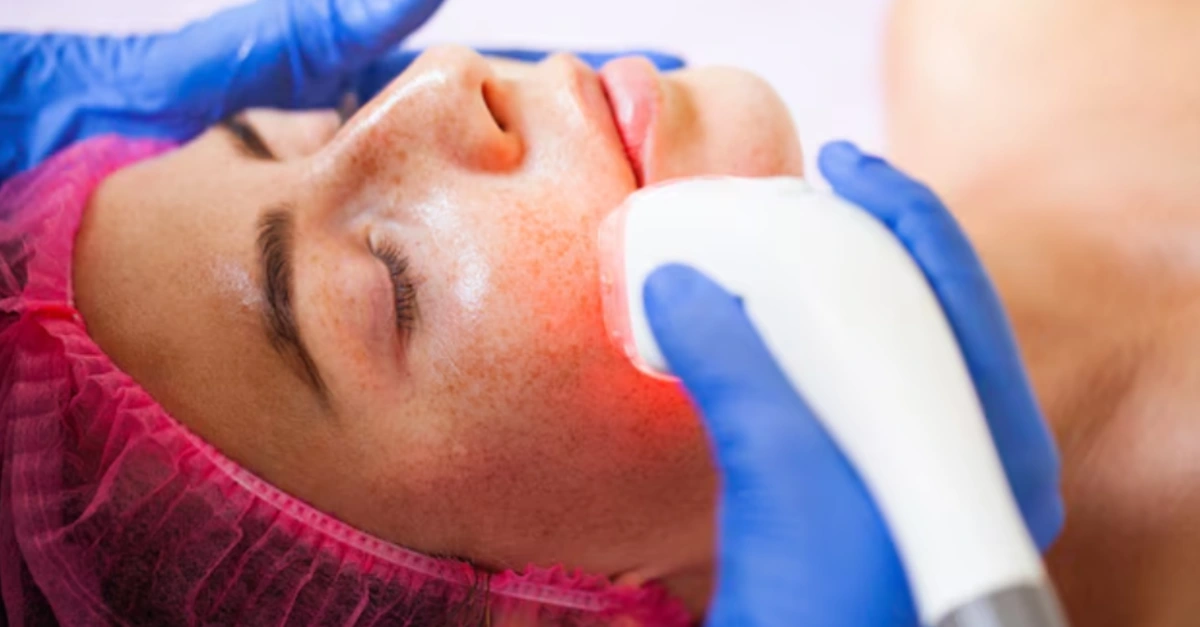
The laser pigmentation treatment uses the scientific principle of selective photothermolysis. The laser’s emitted light is absorbed by only surplus melanin in the skin, and in this process, the heat from the laser breaks down the targeted melanin into small particles.
These particles are naturally, gradually eliminated with the help of the body’s immune system, and the result is a lighter, clearer, brighter, and even complexion.
The Lasers We Use to Treat Pigmentation
Here are the technologies offered at Aarna Clinic for pigmentation management with lasers:
1. Q-Switched Laser– This is a non-ablative type of laser that usually comes in two energy settings: 532 nm and 1064 nm. It can best address superficial to deep pigmentation, such as sunspots, freckles, and post-inflammatory hyperpigmentation, with minimal downtime.
This laser’s heat specifically breaks down melanin deposits in the targeted area of the skin without harming the surrounding, healthy skin. Some of the heat energy passes into the dermis, stimulating collagen remodelling and deep skin rejuvenation. The skin gradually appears evenly toned and brighter after a recommended series of sessions spaced 4-8 weeks apart.
2. Fractional Laser– This laser has two types: Ablative (Fractional CO2 laser) and Non-Ablative (Fraxel Dual laser). The ablative type is reserved for deep pigmentation, while the non-ablative type has two energy settings for superficial or deep pigmentation.
Both the fractional laser types work by creating microthermal treatment zones to break down melanin and boost collagen production. The ablative type is harsh on the skin and causes peeling, while the non-ablative type preserves the healthy surrounding areas of the skin.
Generally, 3-4 sessions spaced about a month apart are recommended for optimal results. A dermatologist selects the type of laser that is most suitable for one’s skin tone and type.
This type of laser treatment is usually reserved for people with mixed concerns- pigmentation like sun damage, stubborn post-inflammatory hyperpigmentation, or melasma and acne scars.
What to Expect Before, During, and After Laser Pigmentation Treatment?
Before Treatment:
- A thorough consultation to identify pigmentation concern, skin tone/type, and the best-suited laser type and its setting.
- Several weeks of sun protection.
- Follow a dermatologist-adjusted skincare regimen to avoid skin sensitivity.
- Application of numbing cream to clean, pigmented skin approximately 30-40 minutes before laser application.
During Treatment:
- Laser application to pigmented skin often takes 15-30 minutes, depending on the targeted area.
- Wearing laser-shielding eyewear.
- Mild tingling, warming, or quick snapping sensation when the laser hits the skin.
After Treatment:
- Immediate skin reactions, like slight redness and swelling, last for a few hours.
- First 1-3 days, skin appears darker, crusted, or feels rough.
- Within 2 weeks, the pigmented skin flakes or peels.
- Repeated sessions are needed for optimal fading of pigmented skin.
- For proper healing and best results, gentle cleansing, use of heavy moisturiser, and strict sun protection are advised.
Benefits of Laser Treatment for Pigmentation
Lasers are most used for correcting pigmentation as they:
- Provide long-term improvements in skin appearance
- Can treat the skin painlessly and quickly in a few sessions
- Come with minimal downtime
- Mostly keep the surrounding skin healthy
- Work on a simple scientific principle- selective photothermolysis
- Deliver the fastest improvements for superficial to deep and stubborn pigmentation as compared to chemical peels or skin lightening creams
- Boosts collagen remodelling and skin regeneration, which improves the overall skin tone, quality, and clarity.
Who Can Go for Laser Pigmentation Treatment?
Laser pigmentation treatment is generally demanded for:
- Uneven skin tone
- Sun tanning or sun spots
- Post-acne marks
- Melasma
- Good candidates are healthy individuals with realistic expectations and no active serious conditions.
So, Does Laser Really Work for Pigmentation?
Yes, lasers are a clinically proven solution for superficial to deep pigmentation concerns. However, the treatment outcomes depend on:
- accuracy in the diagnosis of pigmentation problems
- right choice of type of laser and its correct energy setting
- qualification, skills, and experience level of the selected dermatologist
- The lasers not only help remove excess melanin pigments but also boost collagen remodelling, gradually restoring skin clarity and quality.
Why Choose Aarna Clinic for Laser Pigmentation Removal in Jayanagar?
Selecting the right clinic and expert for laser pigmentation removal is crucial. We can be your best choice, as we offer:
- Customisable treatments with advanced lasers
- Safe, comfortable, and effective pigmentation removal from a qualified, experienced dermatologist
- Satisfactory melanin management at an affordable price
- Support and guidance to maintain treatment outcomes for the long term
- Targeted treatment plans and never give fake promises.
The cost of pigmentation treatment in Jayanagar ranges from INR 3,000 to 6,000 per session. This can vary from patient to patient, as many factors affect it.
To know more about our clinic and the expert’s practice, schedule a consultation today.
FAQs on Laser Pigmentation Treatment
Can a laser remove pigmentation permanently?
Mostly, yes. After a properly performed series of laser treatments, the pigmentation spots fade considerably. However, right skincare and occasional touch-ups will be required to sustain the results.
Is laser pigmentation removal painful?
No, the treatment experience is comfortable when performed by a trained, experienced dermatologist.
How many laser pigmentation removal sessions are required?
The number of sessions is decided by a professional, based on the targeted pigmentation concern- its depth and coverage. Most pigmentation spots/patches clear up in 3 to 6 sessions.
Is Laser Treatment Safe for Pigmentation Removal on Indian Skin?
Yes. Laser treatment is safe and effective for Indian skin tones, provided it is performed by an experienced dermatologist using the appropriate laser at the correct settings.
Which laser type is best for pigmentation?
Q-switched Nd: YAG lasers are widely used for treating pigmentation due to their safety and effectiveness across different pigmentation concerns and skin types.