

Ever wondered why different people have different skin colours? Some have a lighter complexion, while others have a darker one. The variation in skin colour is primarily due to a natural process called pigmentation. This process is influenced by the production of melanin, which determines the colour of our skin. Whether you have dark patches or a too-light skin tone, your skin colour is determined by melanin production.
This blog is your complete guide to achieving an even skin tone, and treatments for a glowing skin.
What is Skin Pigmentation? Know the Science Behind It
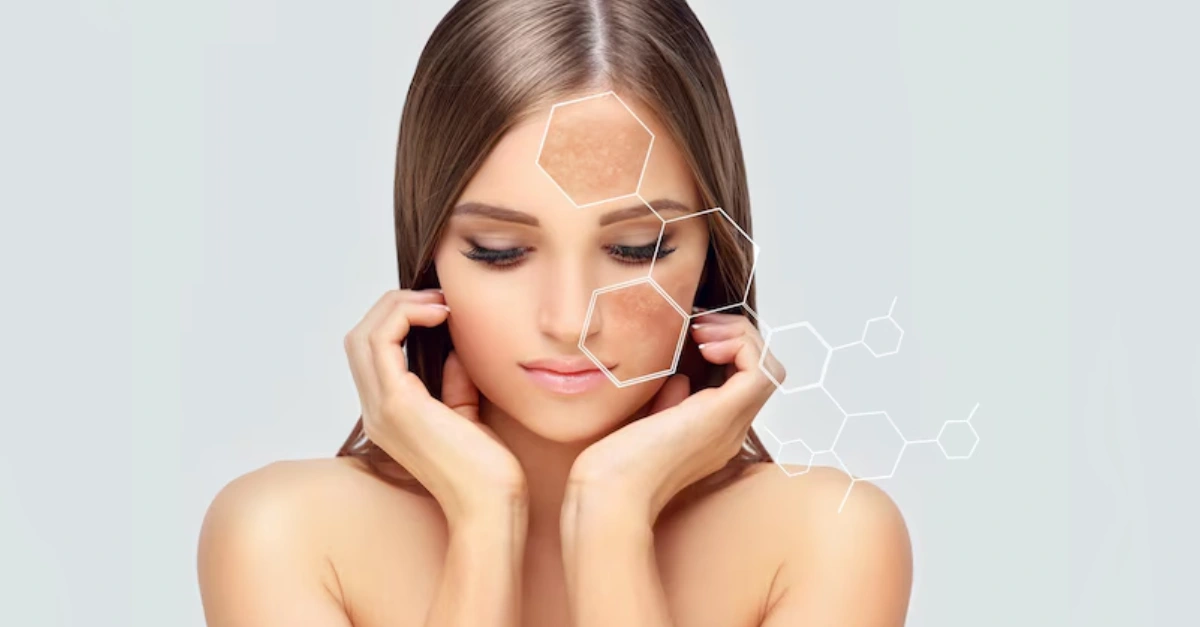
The changes in colour of the skin due to less or excess melanin production are known as skin pigmentation. Melanin is a protein pigment produced by cells known as melanocytes. Also, there are skin cells called Keratinocytes that transport melanin to skin. Pigmentation can appear on the face, neck, hands, arms, and back of the shoulders. Sun exposure, hormonal changes, acne, and skin inflammation can cause pigmentation.
Want to know more? Scroll down
Common Types of Skin Pigmentation
1. Melasma
Melasma is a greyish coloured patch on the face, and appears on the cheeks, forehead, nose and upper lip. It’s a common skin condition in women and usually happens when skin produces too much melanin in certain areas.
| Causes of Melasama | Hormonal changes (pregnancy or birth control pills), excessive sun exposure, genetic factors and hormonal disorders |
| Treatment | Chemical peels, laser pigmentation treatments, medical-grade topical creams, skin brightening therapies |
2. Post-Inflammatory Hyperpigmentation (PIH)
Dark spots develop after skin inflammation or injury, acne, burns, cuts, or cosmetic procedures.
| Causes of Hyperpigmentation | Acne breakouts, skin injuries, insect bites, allergic reactions, cosmetic treatments |
| Treatment | Chemical peels, laser therapy, microneedling, prescription creams |
3. Sunspots (Solar Lentigines)
Direct UV exposure for a long time causes sunspots, flat brown patches that appear in areas exposed to the sun. In a nutshell, the skin produces extra melanin to protect itself from sun exposure, which causes sunspots.
| Common causes | UV radiation, sunburn, and ageing |
| Treatment | Laser pigmentation removal, chemical peels, skin resurfacing treatments, and medical-grade skincare products |
4. Freckles
Freckles are flat, small brown spots that usually appear on the face, and are caused mainly by sun exposure and genetics. Freckles are common in people with fair skin tones, but they can occur in any skin type.
| Causes | Sun exposure and genetics |
| Treatment options | Laser treatments, chemical peels, skin brightening therapies |
5. Hypopigmentation
Hypopigmentation is the lack of pigment in skin, caused by less melanin production, which results in lighter or white patches on the skin. Common conditions of hypopigmentation are vitiligo, pityriasis alba, etc.
| Causes | Genetics, skin damage, infection, and autoimmune response |
| Treatment options | Laser, topical creams, phototherapy, etc. |
Now that you know about pigmentation and its types, let’s discuss effective treatments
Advanced Treatments for Skin Pigmentation
Now you can reclaim your confidence, as effective skin pigmentation can be treated with advanced dermatological care:
Chemical Peels
Chemical peels exfoliate the top layers of skin with the help of the application of acids (like glycolic, lactic, or TCA), which helps reduce pigmentation and improve skin tone.
Laser Pigmentation Treatment
Laser technology targets excess melanin and breaks down pigmentation for clearer skin.
Microneedling
Microneedling is a process in which micro-injuries are created to break melanin, reduce hyperpigmentation and boost collagen production. It’s an effective solution for acne scars and acne marks.
stimulates collagen production and helps improve uneven skin tone and pigmentation.
Medical Skincare Treatments
Other treatments include topical creams containing retinoids, vitamin C, or hydroquinone to lighten pigmentation.
How Can You Prevent Pigmentation?
- Apply broad-spectrum sunscreen daily
- Avoid direct exposure to sun
- Follow a dermatologist-recommended skincare routine
- Avoid picking or scratching acne
- Use gentle skincare products suitable for your skin type
The Bottom Line
A daily skincare routine does not guarantee you even skin. Be it slight patches of skin or dark spots, your skin requires expert solutions to treat a particular skin concern clinically. Never let the colour of your skin hold you back.
FAQs
What are the common types of skin pigmentation?
The most common types include melasma, sunspots (age spots), post-inflammatory hyperpigmentation (PIH), and freckles.
Can skin pigmentation go away on its own?
Some mild pigmentation may fade over time, but deeper or stubborn pigmentation usually requires professional treatment.
Is pigmentation treatment safe for all skin types?
Yes, most treatments are safe when performed by a qualified dermatologist.
How long does pigmentation treatment take to show results?
Results vary depending on the type and severity, but visible improvement is usually seen within a few weeks to a few months.
Is laser treatment safe for pigmentation?
Yes, laser treatments are generally safe when performed by qualified professionals and are effective for many types of pigmentation.
Can pigmentation come back after treatment?
Yes, pigmentation can return if proper skincare, especially sun protection, is not followed.