




Men’s hair loss is a common concern, with approximately 85% of men experiencing significant thinning by age 50. This condition often begins in the late teens or early twenties, leading to feelings of insecurity and affecting self-image.
Understanding the prevalence of hair thinning in men is crucial. The impact can extend beyond physical appearance, influencing confidence and social interactions. Awareness of the condition fosters a proactive approach towards solutions.
Here are some key points to consider:
- Genetics plays a major role; family history increases the likelihood of experiencing hair loss.
- Hormonal changes, particularly related to dihydrotestosterone (DHT), significantly contribute to thinning hair.
- Early recognition can lead to more effective treatments.
Recognizing the causes and types of hair loss is vital for identifying effective treatment options. Whether it’s seeking advice on how to reduce hair fall for men or exploring specific hair loss treatments, understanding your unique situation can guide you toward the right solution.
If you’re searching for answers to questions like how to stop hair fall for men or hair thinning men treatment, Aarna Clinic offers valuable insights and personalized support.
Understanding Hair and Scalp Health
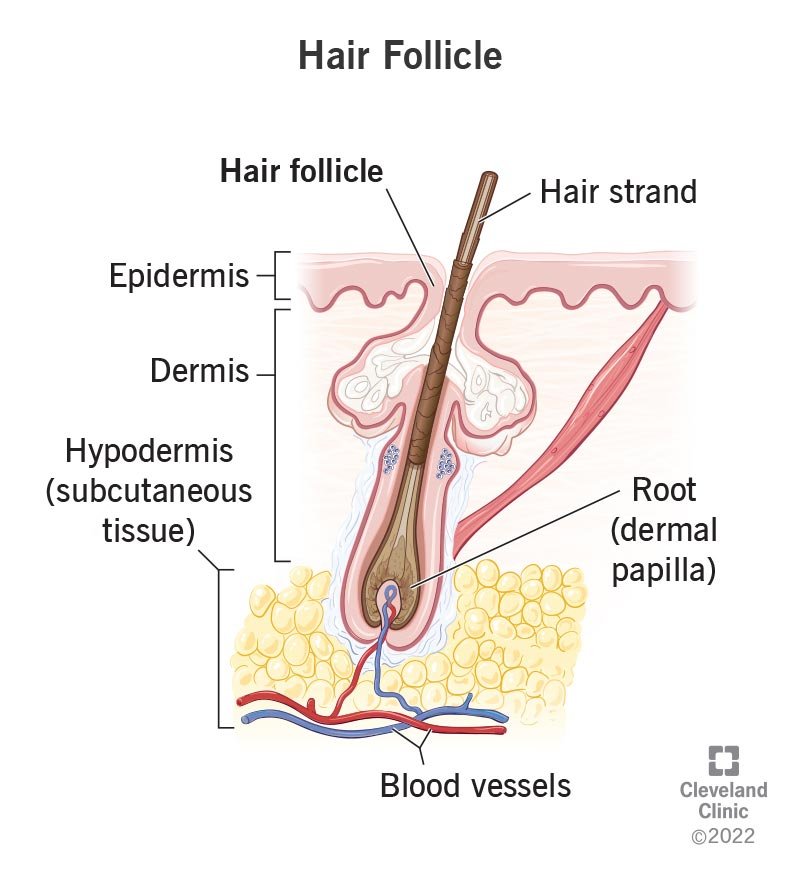
Healthy hair starts with understanding its structure. Hair is primarily made of a protein called keratin, which forms the hair shaft. Each hair grows from a follicle located in the scalp. The scalp itself is rich in blood vessels and nerves, playing a crucial role in hair health. Here’s a closer look at the anatomy:
- Hair Follicles: The tiny pockets from which hair strands grow.
- Sebaceous Glands: Produce oil to keep hair moisturized.
- Dermal Papillae: Nourish the hair follicle, supplying essential nutrients.
Maintaining healthy hair and scalp is essential for various reasons:
- It promotes stronger, thicker hair, reducing the likelihood of bald spots.
- A healthy scalp can prevent issues like dandruff or irritation, which may lead to increased hair fall.
- Good scalp health supports better blood circulation, crucial for growth.
Incorporating scalp care into your routine can be an effective hair fall solution. Regular cleansing and moisturizing can help control oil production and keep follicles clear. For those wondering how to stop hair fall for boys or how to reduce hair fall, focusing on scalp health is key.
Taking these steps not only enhances your look but boosts confidence too. Remember, every strand counts!
Common Causes of Hair Loss in Men
Men often encounter hair loss for various reasons, and understanding these factors can be key to finding effective solutions. Here’s a closer look at some common culprits:
1. Genetic Predisposition
Male-pattern baldness, or androgenetic alopecia, is primarily inherited. If your father or grandfather experienced hair loss, chances are you might too. This genetic link plays a huge role in why many men start noticing thinning hair as early as their late teens or twenties.
2. Hormonal Changes
One significant player in hair loss is dihydrotestosterone (DHT), a derivative of testosterone. DHT binds to hair follicles, causing them to shrink and eventually stop producing hair. This process can lead to noticeable thinning and bald patches.
3. Stress and Nutritional Deficiencies
Stress triggers hormonal changes that can exacerbate hair loss. Additionally, lack of essential nutrients—like vitamins, iron, and zinc—can weaken hair strands. A poor diet makes it challenging for your body to support healthy hair growth.
Looking for how to regrow thinning hair male or how to stop hair thinning male? Recognizing these factors is the first step toward finding the right male pattern baldness medication or solution for losing hair at 19. Addressing these causes not only helps manage existing issues but also sets the stage for future recovery.
Types of Hair Loss Affecting Men
Men experience various types of hair loss, each with distinct characteristics. Understanding these types can aid in finding the right treatment.
1. Androgenetic Alopecia
This is the most common form of hair loss, often referred to as male-pattern baldness.
Symptoms:
- Gradual thinning on the crown and temples.
- Receding hairline.
- Usually starts in late teens or early twenties.
Characteristics:
Genetic predisposition plays a significant role. Look for family history to gauge risk.
2. Telogen Effluvium
A temporary condition often triggered by stress, illness, or hormonal changes.
Symptoms:
- Noticeable shedding of hair (up to 300 strands a day).
- Occurs suddenly, typically two to three months after a triggering event.
Characteristics:
Hair follicles enter a resting phase prematurely, leading to increased hair fall. This is often reversible with lifestyle modifications.
Additional Insights
For those facing severe hair fall, identifying the type of hair loss is crucial for determining an effective solution. Resources like hair fall types with pictures can help visualize these conditions. Teenage guys experiencing hair loss at 17 male should consult dermatologists for tailored advice on how to stop hair loss in teenage guys naturally. Adopting proper care routines will assist in maintaining healthy locks.
Understanding these variations empowers men to take proactive steps towards managing their hair health.
Effective Treatments for Hair Loss in Men
When it comes to tackling hair loss, there are two FDA-approved medications that stand out: Minoxidil and Finasteride. Both options have shown effectiveness in managing male-pattern baldness, but they work in different ways.
Minoxidil
- Type: Topical treatment
- Usage: Applied directly to the scalp
- Efficacy: Slows hair loss and can promote regrowth in some men
- Side Effects: May include scalp irritation, unwanted facial hair growth, or rapid heart rate
Finasteride
- Type: Oral medication
- Function: Reduces levels of dihydrotestosterone (DHT), a hormone linked to hair loss
- Efficacy: Effective in slowing hair loss for 80-90% of men who use it regularly
- Side Effects: Potential side effects include decreased libido, erectile dysfunction, and breast tenderness
Choosing between these treatments often depends on personal preference and consultation with a healthcare provider. While both can be effective, understanding their distinct mechanisms and potential side effects is crucial. Each option offers a different pathway toward regaining confidence and addressing the challenges of hair loss.
Options for Hair Restoration in Men

Hair transplant procedures offer a surgical solution for addressing male-pattern baldness. This method involves moving healthy hair follicles from areas with thick hair to balding spots. Here’s a quick overview of the process:
- Consultation: Initial assessment by a specialist, such as Dr. Pavithra HN, to discuss reasons for hair fall in males and determine suitability.
- Harvesting Follicles: Follicles are extracted using methods like Follicular Unit Extraction (FUE) or Follicular Unit Transplantation (FUT).
- Transplanting: Healthy follicles are carefully implanted into the balding areas, ensuring a natural look.
Success rates for hair transplants can be impressive, often exceeding 90% when performed by experienced professionals. Factors influencing success include:
- Patient’s age and hair type
- Technique used
- Post-operative care
Caring for transplanted hair is crucial for optimal results. Following aftercare instructions helps ensure healing and promotes successful growth. Potential candidates should weigh benefits against costs and recovery times. Understanding these details helps set realistic expectations about the procedure’s outcomes.
For those considering this option, it’s essential to explore the various types of hair transplant procedures available, as each comes with its unique advantages and considerations.
Non-Invasive Approaches to Combatting Hair Loss in Men
Exploring non-invasive treatments offers a range of options for men seeking to manage hair loss without surgical intervention. Here’s a look at two popular choices:
Low-Level Laser Therapy (LLLT)
- What it is: A non-invasive treatment that uses specific wavelengths of light to stimulate hair follicles.
- Benefits: Studies show LLLT can improve hair density and promote regrowth. It’s painless, safe, and suitable for various hair types.
- Usage: Typically involves sessions at a clinic or using at-home devices like laser caps or combs.
Natural Remedies for Hair Loss
- Essential Oils:
- Lavender oil has been linked to hair growth due to its ability to improve blood circulation.
- Rosemary oil may also enhance scalp health and stimulate follicles.
- Application: Mixing essential oils with carrier oils like coconut or jojoba oil allows for easy scalp massages, promoting relaxation and enhancing absorption.
Efficacy and Safety Considerations
- Effectiveness: Results can vary. Some men find significant improvement, while others see minimal changes.
- Safety: Generally regarded as low-risk, but individuals should perform patch tests when using essential oils to avoid allergic reactions.
Exploring these options can be a beneficial part of a comprehensive approach to tackling hair loss in men.
Lifestyle Modifications to Prevent Further Hair Loss
Making lifestyle changes to prevent hair loss can significantly impact the health of your hair. Here are some effective strategies:
Adopt a Balanced Diet
Focus on a diet rich in essential nutrients. Key vitamins include:
- Iron: Supports blood circulation, promoting healthy hair growth.
- Vitamin D: Plays a crucial role in the hair growth cycle.
- B Vitamins: Essential for overall hair health, especially biotin.
Healthy Hairstyling Practices
- Avoid styles that pull tightly on the hair, such as braids or ponytails. These can lead to traction alopecia.
- Limit the use of high-heat styling tools like straighteners and curling irons. Excessive heat can weaken hair shafts.
- Reduce chemical treatments. Harsh dyes and relaxers can damage the hair and scalp.
Stress Management
Engage in relaxing activities like yoga or meditation. Stress can exacerbate hair loss, so managing it is vital for maintaining healthy locks.
By focusing on these lifestyle changes, men can effectively work towards preventing further hair loss while enhancing overall well-being. It’s about combining nutrition with smart hairstyling choices for healthier hair.
Patient Education on Realistic Expectations from Hair Loss Treatments
Educating patients about hair care and the best hair loss treatment for males is crucial for effective management of their condition. Here are some tips for dermatologists to communicate realistic outcomes:
1. Set Clear Goals
Discuss what treatments can realistically achieve. Emphasize that while some regrowth is possible, complete restoration may not be attainable.
2. Highlight Timeframes
Explain that most treatments take time to show results. Patience is essential as changes often occur over several months.
3. Discuss Variability
Individual responses to treatment can vary widely. Factors such as genetics, age, and overall health play significant roles in effectiveness.
4. Address Side Effects
Be transparent about potential side effects of medications like Minoxidil and Finasteride. This helps patients make informed decisions.
5. Encourage Regular Follow-ups
Suggest regular check-ins to assess progress and adjust treatment plans as needed.
By fostering open communication, dermatologists can help patients navigate their hair loss journey with confidence.
Hair Loss Treatment in Jayanagar
Finding the right HAIR LOSS TREATMENT can make a significant difference in your journey to address hair loss. In Jayanagar, several options are available:
1. Best Doctors For Hair Loss
Seek out specialists who understand the psychological and physical aspects of hair loss. Look for practitioners with experience in various treatment modalities.
2. Best Hair Clinic Jayanagara, Bangalore
Choose clinics that offer comprehensive evaluations. They should provide personalised treatment plans tailored to individual needs.
3. Hair Treatment Doctors
Consult with reputable doctors, such as Dr. Pavithra HN, known for her expertise in hair restoration.
Effective communication is key. Dermatologists should:
- Set clear expectations regarding treatment timelines and outcomes.
- Discuss potential side effects and necessary lifestyle adjustments.
- Encourage patients to ask questions and express concerns.
A supportive environment fosters trust, empowering patients throughout their hair restoration journey.