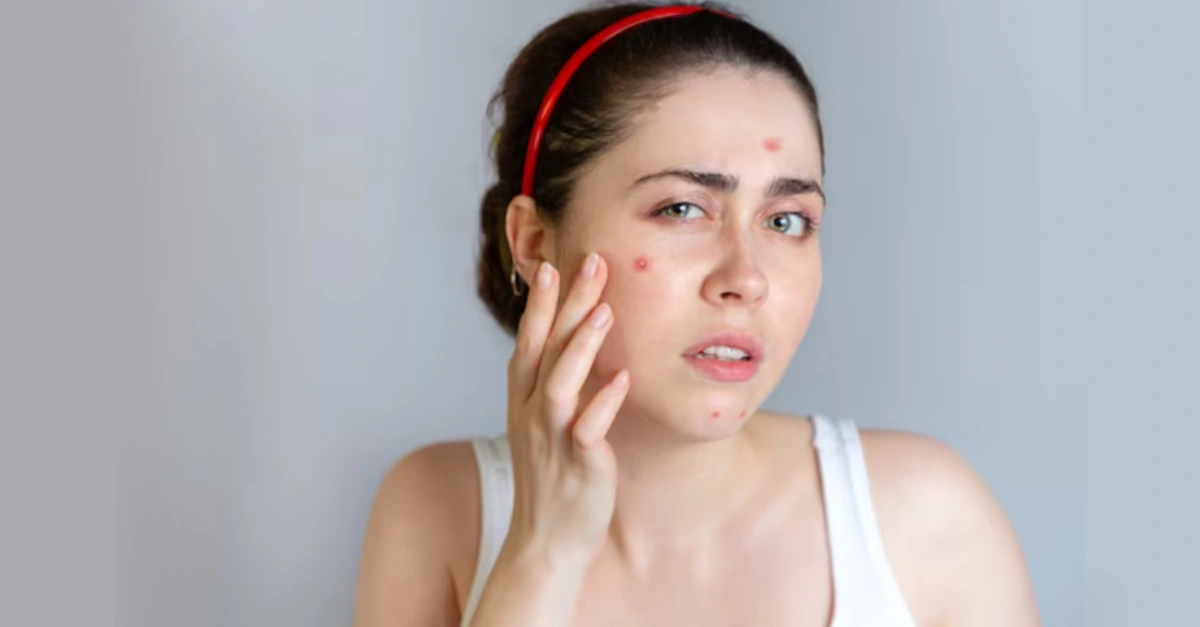
Stress is now a common part of modern life, affecting not only mental health but overall body health. The most common signs of stress affect the skin and may appear as acne breakouts. Many people can experience sudden acne breakouts due to factors like work pressure, lack of sleep, or emotional challenges, and many of them struggle to understand the cause of acne.
But the best part is that, with lifestyle management, a healthy diet, proper skincare, and dermatological treatments, acne caused by stress can be managed effectively, and one can maintain a healthy skin tone.
If you are looking for reliable and effective acne treatment in Jayanagar, Bangalore it is important to choose a good dermatologist and first understand how stress impacts your skin and triggers acne.
Dermatologists at Aarna Clinic in Jayanagar frequently observe stress-related acne among working professionals, students, and even healthy-skinned adults.
Hormonal Stress and Acne- What is the Link?
Acne caused by stress is real. In medical terms, when one experiences any physical or emotional stress, it causes hormonal and inflammatory changes in the body and results in acne breakouts. Stress acne occurs suddenly, and stress can also worsen the existing skin condition or disease.
Hormones like cortisol and androgens are released when the body is under stress. These hormones also increase oil production in the skin, clog pores, and create a favorable environment for acne-causing bacteria to live and thrive. This results in the formation of blackheads, whiteheads, pimples, and cystic acne on areas like the face, cheeks, neck, shoulders, jawline, and forehead.
Stress acne can affect anyone, and to manage it, the doctor first identifies the root cause and then provides treatment.
How Stress Triggers Acne?
Here are the mechanisms by which excessive stress further increases the chances of acne formation or worsening:
- Excess Sebum– The rise in level of stress hormone, cortisol, stimulates the sebaceous glands- the skin’s natural oil glands, to start production of sebum- the natural skin oil. Excess oil further clogs pores and causes acne breakouts.
- Hormonal Imbalance and Inflammation– With an excess of cortisol hormone, the skin gets inflamed and more prone to severe acne flare-ups.
- Compromised Skin Barrier– Stress impacts the skin’s functionality, its ability to naturally heal and repair. As a result, the skin becomes more susceptible to irritation and acne.
- Unhealthy Lifestyle– Stress leads to a disturbed sleep schedule, unhealthy eating habits, less water intake, and a poor skincare routine, which are all contributors to worsened acne breakouts.
What are the signs of Acne Caused by Stress?
If one notices the following signs, it can be a sign that acne is caused by stress:
- One experiencing painful or inflamed pimples
- Acne formed in areas like the jawline, cheeks, and forehead
- One get sudden breakouts during stressful situations
- Experiencing oily skin during stressful periods/phase
- Acne worsens due to lack of sleep
- One experiences frequent flare-ups even after following a regular skincare routine.
If one is struggling with these symptoms, consulting an acne treatment doctor in Jayanagar at Aarna Clinic can help identify the root cause and provide the right treatment.
Dermatological Treatments for Managing Stress-Induced Acne in Jayanagar
Modern dermatology clinics like Aarna Clinic offer a range of effective treatments to manage stress-induced acne. Here are some popular treatments:
1. Chemical Peels
They help remove dead skin cells, promote new skin cell growth, manage enlarged pores, reduce oil production, and help clear clogged pores. They improve overall skin tone and texture and even help reduce acne spots.
They help manage acne and skin pigmentation, control excess oil production, enhance skin tone and clarity, and promote smoother skin by stimulating the formation of new skin cells.
2. Laser Acne Treatment
It is a safe, promising, and effective procedure. Laser heats target acne-causing bacteria and also reduces inflammation. They help manage acne scars and active acne, enhance skin tone and reduce redness, and minimize dark spots, acne scars, and marks.
3. Acne Therapy with Medications
An acne specialist’s first line of treatment is usually medications- topical or oral, based on the underlying cause. Topical treatments include benzoyl peroxide, azelaic acid, re-tinoids, salicylic acid, or antibiotics, while oral treatments include hormonal drugs, isotreti-noin, or antibiotics. These help reduce inflammation, sebum production, and the growth of acne-causing bacteria. Also, improve the skin health and prevent further acne flare-ups.
4. HydraFacial for Acne-Prone Skin
HydraFacial is a medical-grade facial that uses vortex fusion technology to deeply but gently cleanse, exfoliate, and extract impurities from pores. The technology is used in combination with customized skin infusion serums to nourish and hydrate the skin deeply. It is an excellent option for moderate to severe stress-related acne.
5. Microneedling for Acne Scars
Stress-induced acne often leaves permanent scars. Microneedling can help diminish acne scars by stimulating collagen remodeling. The technique involves using a specialized device that creates multiple controlled micro-injuries in the scarred skin and encourages natural skin healing.
The cost of acne treatment in Jayanagar, Bangalore, starts from INR 3,000 – 10,000 per session. This can vary from patient to patient; learn more by consulting a dermatologist at Aarna Clinic today.
How Can Stress Acne Be Effectively Managed at Home?
Professional dermatological procedures are not enough for controlling acne flare-ups. They must be undertaken alongside certain lifestyle and skincare changes.
Here’s what dermatologists recommend:
- Maintain a gentle, healthy skincare routine
- Twice daily, cleanse skin with a mild cleanser
- Apply oil-free moisturizer daily
- Manage stress with yoga or meditation
- Maintain a proper sleep schedule
- Keep the body active with regular exercise
- Keep dirty or greasy hands off the face
- Take frequent breaks to relax from a stressful work routine
- Use only non-comedogenic and non-irritating skincare products or cosmetics
- Whenever stepping out in the daytime, apply broad-spectrum sunscreen with SPF 30 or higher
- Drink adequate water daily to help flush toxins from the body and support the skin’s health and function
- Eat a skin-friendly diet loaded with vitamins, antioxidants, and other essential nutrients. Avoid oily, spicy, sugar-loaded, and processed foods.
When to See a Dermatologist for Stress Acne Treatment?
Consider consulting a skin specialist/ acne treatment doctor in Jayanagar if:
- Acne flare-ups are not under control for more than 2-3 weeks
- There is discomfort from acne breakouts
- The acne breakouts are most likely to leave marks or scars
- The acne breakouts are more frequent with an increase in stress
- There is a failure of home remedies and over-the-counter products.
With an early medical treatment from an acne specialist, the lesions can heal normally without leaving marks or scars. Also, the acne breakouts can be controlled.
Tips to Prevent Stress Acne in the Long Run
Most acne specialists recommend:
- Follow a proper, gentle skincare routine
- Stay well hydrated with adequate daily water intake
- Healthily manage stress with yoga or meditation
- Allow the skin to breathe by avoiding heavy cosmetics
- Maintain healthy skin and a strong skin barrier
- By consistently following these preventive tips, one can maintain healthy, clear skin for a long time.
FAQs On Stress Related Acne
Can stress really cause acne?
Yes, stress raises the level of cortisol- the hormone responsible for sebum production and inflammation, which further causes acne breakouts.
How long does stress acne last?
Stress acne usually persists for a few days to several weeks. Specifically, until the stress hormone cortisol returns to normal levels, a dermatologist provides the appropriate treatment.
Is stress acne different from hormonal acne?
Yes. Stress acne often shows up as a small cluster of pimples, due to a rise in cortisol hormone, while hormonal acne can be deep and painful, resulting from androgen excess.
Can dermatological treatments cure stress acne permanently?
Stress acne can be effectively managed and controlled by relieving stress, following proper skincare, and following a dermatologist-prescribed treatment plan.
Which is the best acne treatment for acne?
Acne’s best remedy can only be determined by a dermatologist after careful assessment of the patient’s skin type and acne type/severity. Most recommended professional acne treatments include medications, laser therapy, and chemical peels.