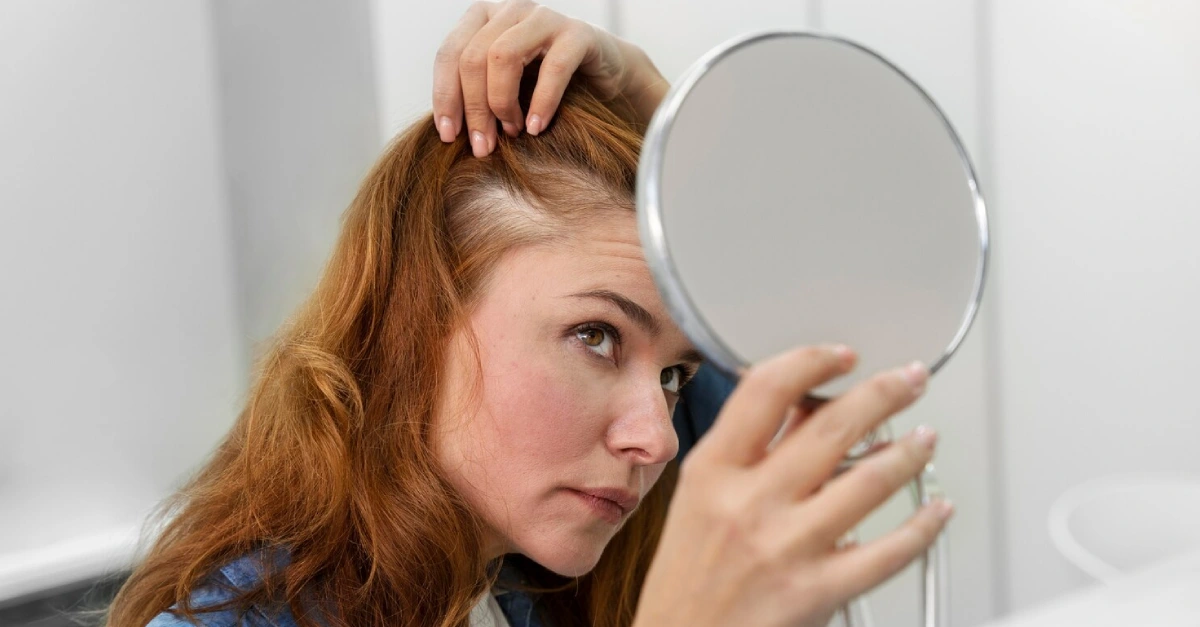
Long, healthy, and shining hair is often said to complement the overall personality. But what if someone constantly sees more hair on a hairbrush than on the head? It’s a symptom and not a disease that can’t be treated. Many people try organic shampoos, serums, and oils, but often do not see any results. Additionally, for some, even a diet rich in protein may not help with hair growth.
However, you are not alone—dermatology and hair science offer proven solutions and advanced treatments that address the root causes of hair issues. Many people believe that hair loss is a common issue that doesn’t need medical attention, often attributing it to changes in weather, poor nutrition, or salty water. However, this is not true. If hair loss and thinning are not addressed, they can worsen over time and lead to self-esteem issues.
At Aarna Clinic, we believe that everyone can have beautiful, shining hair, regardless of hair loss patterns, with the help of dermatological treatments. This blog is your step-by-step dermatological guide to the best solutions for hair fall treatment.
Subtle Signs of Hairfall: When Should You Worry?
On average, a person loses 50–100 strands of hair per day. However, if you notice:
- Increased hair on your pillow or comb
- Visible thinning or widening of the part line
- Receding hairline
- Patchy hair loss
…it may indicate a condition like Telogen Effluvium or Androgenetic Alopecia.
Myths vs Facts About Hair Fall
Myth: Oil alone can stop hair fall
Fact: Oil helps condition hair but does not treat underlying causes
Myth: Cutting hair frequently reduces hair fall
Fact: Hair fall occurs at the roots, not the ends
Myth: Only men experience hair loss
Fact: Women also commonly face thinning and shedding
Now, debunking the myths, let’s understand the scientific causes of hair fall.
Common Causes of Hair Fall
Hair loss rarely has a single cause. It is usually triggered by a combination of internal and external factors.
- Hormonal Imbalance
Hormones play a crucial role in hair growth. Conditions like Polycystic Ovary Syndrome (PCOS), thyroid dysfunction, or menopause can disrupt the hair growth cycle. - Nutritional Deficiencies
Nutritional deficiency of essential vitamins & nutrients like vitamin D, biotin, and protein weakens hair roots and leads to shedding. - Stress and lifestyle factors
Chronic stress leads to excessive shedding. Poor sleep and unhealthy habits further worsen the condition. - Genetic Factors
Genetic factors are another of the most common reasons for male pattern baldness or female pattern hair loss. - Scalp Conditions
Dandruff, fungal infections, or inflammation of the scalp can weaken follicles and stop hair growth. - Chemical Treatments & Styling
Frequent use of heat styling tools, hair coloring, and harsh chemical treatments damages the hair shaft and roots.
Types of Hair Loss NO One Told You About
Identifying the type of hair fall helps dermatologists recommend targeted treatment.
- Telogen Effluvium: Sudden hair shedding due to stress or illness
- Androgenetic Alopecia: Gradual thinning due to genetics
- Alopecia Areata: Patchy hair loss caused by an autoimmune response
- Traction Alopecia: Hair loss from tight hairstyles
How is Hair Fall Diagnosed?
A professional diagnosis ensures effective treatment. Dermatologists typically follow these steps:
- Medical History Review – Evaluating lifestyle, diet, and family history
- Scalp Examination – Checking for infections or inflammation
- Hair Pull Test – Assessing the severity of shedding
- Blood Tests – Identifying deficiencies or hormonal issues
- Trichoscopy – It is used for detailed scalp evaluation
Best Hair Fall Treatments Recommended by Dermatologists
Treatment varies depending on the cause and severity of hair loss. Here are the most effective solutions:
| Treatments | How does it work? |
| Medications | Minoxidil: Stimulates hair growth and improves blood circulation to follicles Finasteride: Commonly prescribed for male pattern hair loss Supplements for iron, biotin, and vitamins |
| PRP Therapy (Platelet-Rich Plasma) | In PRP, the patient’s own blood is processed and injected into the scalp to stimulate hair follicles and promote growth. Supplements for iron, biotin, and vitamins |
| Mesotherapy | This involves injecting a cocktail of vitamins, minerals, and amino acids into the scalp to nourish hair roots and improve thickness. Supplements for iron, biotin, and vitamins |
| Laser Therapy | Low-level laser therapy (LLLT) improves blood flow and stimulates follicle activity, making it suitable for mild to moderate hair thinning. |
| Hair Transplant | For advanced hair loss, procedures like FUE (Follicular Unit Extraction) provide permanent results by transplanting healthy hair follicles. |
Natural Remedies That Support Hair Growth
While medical treatments are effective, natural methods can complement them:
- Oil Massage: Coconut, argan, or castor oil improves scalp circulation
- Balanced Diet: Include protein-rich foods, leafy greens, and nuts
- Stress Management: Yoga and meditation help reduce hair fall
- Gentle Hair Care: Avoid harsh chemicals and tight hairstyles
Daily Hair Care Routine for Healthy Hair
Consistency in hair care plays a vital role in preventing hair fall.
- Use a mild, sulfate-free shampoo
- Condition regularly to prevent breakage
- Avoid excessive heat styling & chemical treatments
- Use a wide-tooth comb on wet hair
- Protect hair from pollution and sun exposure
- Have a protein-rich, vitamin C, omega-3, balanced diet
- Avoid direct exposure to sun
When to See a Dermatologist?
Consult a specialist if:
- Hair fall persists for more than 2–3 months
- You notice sudden or patchy hair loss
- There is itching, redness, or scalp pain
- Home remedies are not working
Final Thoughts
Hair fall can feel distressing, but it does not go away on its own. In most cases, it requires a clinical examination and targeted treatment by a dermatologist. In addition to maintaining a healthy lifestyle, restoring hair health requires understanding the root cause of hair fall and advanced therapies.
A dermatologist-guided approach ensures accurate diagnosis and effective solutions tailored to your needs. A dermatologist may not always recommend a treatment, but may advise dermatologically conscious ways of restoring hair health.
If you are experiencing persistent hair loss, take action early. This can significantly impact the health, strength, and beauty of your hair.
FAQs
Can hair fall be reversed?
Yes, in many cases, hair fall can be controlled if the root cause is identified early and treated properly with medications, therapies, and lifestyle changes.
Does oiling reduce hair fall?
Oiling helps improve scalp health and blood circulation, but does not treat medical causes of hair fall. It should be used as a supportive care method, not a primary treatment.
Do men and women have a similar kind of hair loss?
Men and women can have similar hair loss types like Androgenetic Alopecia, but patterns differ—men get receding hairlines, while women experience diffuse thinning. Hormonal factors and severity also vary between genders
Does hormonal imbalance lead to hair loss?
Yes, hormonal changes due to conditions like thyroid disorders, PCOS, pregnancy, or menopause can cause hair thinning and loss
Is hair loss hereditary?
Yes, genetic hair loss (male or female pattern baldness) is one of the most common causes and can run in families.
Can changing shampoo cause hair loss?
Switching shampoos doesn’t usually cause hair loss, but harsh products may lead to dryness or breakage.