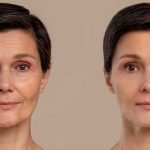

At some point in our skincare journey, most of us reach a stage where face creams and basic facials no longer feel enough.
The glow fades faster. Recovery takes longer. Fine lines stay longer than they used to. And suddenly, you start hearing new words at clinics — Exosomes. PDRN. Regenerative therapy.
They sound impressive. They sound advanced. But they also sound confusing.
- Which one is better?
- Which one suits you?
- Do you really need them?
The truth is, both Exosomes and PDRN are powerful skin-repair treatments. However, they function in different manners and are suited for different individuals. Recognizing this difference will enable you to make an informed decision.
Let’s simplify this for you.
Understanding Skin Regeneration in 2026
Today, in 2026, skincare is no longer about “quick fixes.”
Individuals seek treatments that:
- Enhance skin quality
- Strengthen skin from the inside out
- Minimize long-term damage
- Aging gracefully
- Appearing natural
This has led to the popularity of regenerative treatments. Rather than filling or freezing the skin, these treatments assist the skin in rejuvenating itself.
That’s where Exosomes and PDRN come in.
Many clients exploring advanced skin solutions at Aarna Clinic today are choosing these options because they focus on long-term skin health, not temporary changes.
What Are Exosomes?
Exosomes are microscopic communication particles that are released by stem cells. The primary function of exosomes is to facilitate cell communication and the repair of damaged tissues.
For skin rejuvenation, exosomes work in the following ways:
- They stimulate collagen production.
- They enhance cell renewal.
- They reduce inflammation.
- They strengthen skin structure.
- They promote healing after a procedure.
They do not introduce anything foreign into your skin. They instruct your skin on how to function better on its own.
It is because of this reason that exosomes are usually used in combination with microneedling, laser, or RF therapies.
What Is PDRN?
PDRN stands for Polydeoxyribonucleotide. It is derived from purified salmon DNA and has been used in medical healing for many years.
In aesthetic treatments, PDRN works by:
- Repairing damaged skin cells
- Improving hydration
- Boosting collagen
- Strengthening the skin barrier
- Reducing dullness and fatigue
PDRN is often called a “skin healer injection” because of its strong tissue-repair properties.
It is usually injected directly into the skin as a mesotherapy or skin booster treatment.
How Exosomes and PDRN Work Differently
Although both aim at regeneration, their approach is different.
Exosomes: The Signal Senders
Exosomes mainly work by sending instructions to your cells. They tell your skin how to repair, renew, and rebuild itself.
They act more like “managers” inside your skin, coordinating healing.
PDRN: The Repair Material
PDRN provides building blocks and support for damaged tissues. It helps cells recover and multiply better.
It works more like “nutrition” and “repair fuel” for the skin.
Both are effective. They simply work through different pathways.
Benefits of Exosome Therapy
Exosomes are often chosen for their advanced regenerative ability.
Pros of Exosomes
- Works at a deep cellular level
- Improves overall skin behavior
- Enhances results of other procedures
- Helps in acne scars and pigmentation
- Suitable for long-term rejuvenation
Limitations of Exosomes
- Usually more expensive
- Needs professional handling
- Often requires combination treatments
- Results are gradual, not instant
Exosomes are ideal for people who are patient and focused on long-term improvement.
Benefits of PDRN Therapy
PDRN is known for visible skin repair and hydration.
Pros of PDRN
- Improves skin texture and glow
- Boosts hydration quickly
- Helps tired and dull skin
- Simple injection procedure
- Generally more affordable
Limitations of PDRN
- Results may need maintenance
- Does not deeply influence cell communication
- May require multiple sessions
- Mild swelling after injections
PDRN works well for people who want noticeable improvement without invasive procedures.
Who Can Undergo These Treatments?
Both treatments suit many people, but individual needs matter.
Exosomes May Suit:
- People with acne scars
- Those with sun damage
- Patients undergoing laser/RF
- Individuals wanting deep regeneration
- People in their 30s, 40s, and 50s
PDRN May Suit:
- People with dull skin
- Early aging signs
- Dehydrated skin
- Fine lines
- Dark circles
Your dermatologist decides suitability after evaluating skin type and condition.
Who Should Be Cautious or Limit Use?
Although safe when done professionally, these treatments are not for everyone.
Exosomes – Caution For:
- Active skin infections
- Certain autoimmune conditions
- Pregnant women
- Very sensitive skin
PDRN – Caution For:
- Fish or seafood allergies
- Active acne flare-ups
- Skin infections
- Pregnancy
A proper consultation is always important before starting.
Downtime and Recovery Comparison
Both treatments are low-downtime, but minor effects are common.
After Exosomes:
- Mild redness
- Slight sensitivity
- Quick recovery
- Improves healing after procedures
After PDRN:
- Mild swelling
- Tiny injection marks
- Light redness
- Settles in 1–2 days
Most people return to daily activities quickly with both options.
Exosomes vs PDRN: Side-by-Side Comparison
| Feature | Exosomes | PDRN |
| Source | Stem-cell derived messengers | Purified salmon DNA |
| Main action | Cell communication & regeneration | Tissue repair & hydration |
| Delivery | With laser/ microneedling/ RF | Injection (mesotherapy) |
| Results | Gradual, long-term | Steady, visible improvement |
| Best for | Scars, pigmentation, ageing | Dullness, fine lines, dryness |
| Cost range | Higher | Moderate |
| Downtime | Minimal | Minimal |
| Maintenance | Periodic | Regular sessions |
Can Exosomes and PDRN Be Combined?
Yes, in many cases.
Some dermatologists combine both therapies for enhanced results. Exosomes improve cellular signaling, while PDRN strengthens tissue repair.
Together, they can offer:
- Better healing
- Improved texture
- Longer-lasting glow
- Stronger skin structure
However, combination therapy depends on skin condition and medical advice.
Choosing What’s Right for You
There is no “one-size-fits-all” answer.
Exosomes may be suitable if you want deep regeneration and are comfortable with gradual results. PDRN may suit you if you prefer visible hydration, glow, and simpler procedures. Your lifestyle, skin condition, budget, and expectations all matter.
That’s why expert guidance is essential before choosing either.
Final Thoughts: Balance Over Comparison
In 2026, skincare is about balance, not competition.
Exosomes and PDRN are not rivals. They are tools — each powerful in its own way.
- One focuses on communication.
- The other focuses on repair.
- Both focus on healthy skin.
The best treatment is the one that fits your skin’s story, not trends.
When chosen wisely and done professionally, both can support beautiful, strong, and confident skin — without forcing it to be anything it’s not.
Because true skin regeneration isn’t about becoming someone else. It’s about becoming the healthiest version of yourself.