Almost everyone who has dealt with acne knows this feeling – the acne goes away, but the marks don’t. You wait. You moisturise. You apply sunscreen religiously. You try face packs. And still, those dents or uneven patches stay right where they are.
For Indian skin, acne scars can be especially stubborn. Our skin heals differently. It pigments faster. Sometimes even a small pimple leaves behind a memory we never asked for.
The good part? In 2026, acne scar treatment is no longer harsh or scary. It’s quieter. More thoughtful. More about working with the skin instead of fighting it.
If you’ve been confused about what actually helps — and what’s just noise — this guide will help you understand it simply.
First, let’s talk honestly about acne scars
Not all acne scars are the same. And that’s where most frustration begins.
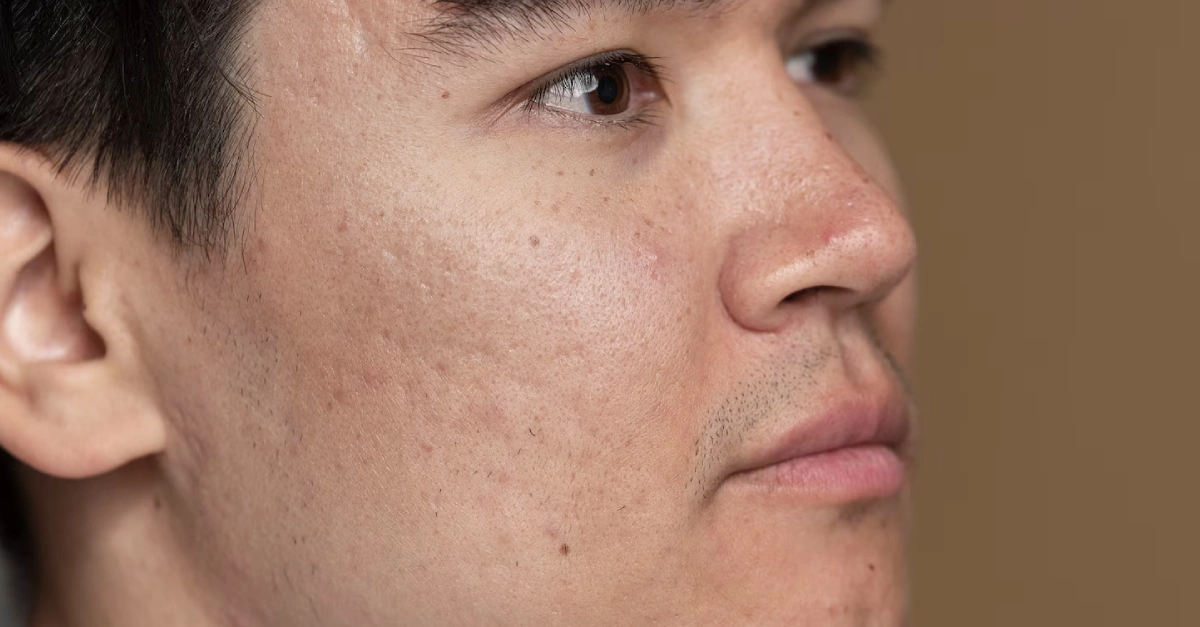
- Some scars sit deep, almost like tiny pits.
- Some look like waves or uneven texture.
- Some are flat but darker than the rest of the skin.
Most people don’t have just one type – they have a mix. Which is why one cream or one procedure rarely fixes everything.
Treating acne scars is more about understanding what’s happening under the skin, not just what you see on the surface.
Laser resurfacing: when scars are old and stubborn
Laser resurfacing is usually considered when scars have been around for years and nothing topical has helped.
Modern lasers don’t “burn” the skin the way people fear. They work in controlled layers, creating tiny points of heat that encourage the skin to repair itself slowly.
This treatment helps most with:
- Deep pitted scars
- Rough skin texture
- Skin that looks uneven even without makeup
For Indian skin, the approach matters more than the machine. Settings have to be gentle, spacing has to be right, and healing time needs respect. When done properly, lasers don’t make the skin darker — they actually improve its quality over time.
Results don’t show overnight, but over a few weeks, skin begins to feel smoother and look more even.
Microneedling with RF: quiet but powerful
If there’s one treatment many people don’t talk about enough, it’s microneedling with radiofrequency.
- It doesn’t look dramatic.
- It doesn’t promise instant glow.
- But it works — steadily and naturally.
Tiny needles create micro channels in the skin, while RF energy travels deeper to stimulate collagen. What makes it especially suitable for Indian skin is that the upper layer stays mostly untouched, reducing pigmentation risk.
This treatment works beautifully for:
- Rolling acne scars
- Early pitted scars
- Overall texture issues
Over multiple sessions, skin begins to feel firmer, healthier, and more even — not “treated,” just better.
Chemical peels: small steps that add up
Chemical peels are often misunderstood. People either expect miracles or fear severe peeling.
In reality, most modern peels are gentle and controlled. They don’t aim to peel your skin off — they aim to nudge your skin into renewing itself.
Peels help mainly with:
- Acne marks
- Uneven tone
- Dullness after acne
- Surface-level scars
They’re rarely used alone for deep scars, but when combined with other treatments, they make healing faster and results clearer.
Sometimes progress doesn’t come from one big procedure — it comes from many small, consistent improvements.
Subcision: treating the scar at its root
Some scars don’t improve because they’re literally tied down under the skin.
No cream can reach that.
No facial can fix it.
Subcision works by releasing those tight fibrous bands beneath the scar, allowing the skin to lift naturally.
It’s especially helpful for:
- Deep rolling scars
- Scars that look like dents
- Old acne scars that haven’t changed in years
Once those bands are released, other treatments like microneedling or laser start working far better.
It’s not about aggression — it’s about freeing the skin.
Dermal fillers: for scars that need support
Dermal fillers aren’t only for lips or jawlines anymore.
In acne scar treatment, fillers are used very precisely — only under certain scars that need a little lift.
They’re useful when:
- A scar is deep and sunken
- Collagen loss is visible
- Texture looks uneven in certain spots
The idea isn’t volume. It’s balance. When done subtly, fillers don’t change how your face looks — they simply smooth out areas that pull attention.
Q-Switch Nd:YAG Laser: for stubborn marks and oily, acne-prone skin
Some acne marks don’t sit deep in the skin — they sit in colour. Dark spots that refuse to fade. Brown or grey patches that stay long after the pimple is gone. Skin that looks uneven even when it feels smooth.
This is where the Q-Switch Nd:YAG laser plays an important role.
Unlike resurfacing lasers that focus on texture, this laser targets pigment and excess oil activity. It works by breaking down melanin deposits under the skin and calming overactive sebaceous glands, which helps reduce seborrhoea and frequent breakouts.
It is especially helpful for:
- Persistent acne marks and pigmentation
- Post-inflammatory dark spots
- Oily, acne-prone skin
- Skin that breaks out repeatedly
The treatment is gentle, requires minimal downtime, and suits Indian skin when done with the right settings. Over a few sessions, skin starts looking clearer, more balanced, and less prone to sudden flare-ups.
Why most people need a combination approach
Very few people have one clean scar type.
That’s why in 2026, acne scar treatment is almost always mixed:
- Subcision for depth
- RF microneedling for texture
- Laser for refinement
- Peels for tone
- Fillers where needed
It’s not rushed. It’s spaced out. And it’s planned around how your skin responds — not around packages or promises.
This is where choosing the right clinic matters.
At places like Aarna Clinic, the focus is usually on understanding your skin before deciding anything — because acne scars need patience more than pressure.
A gentle truth most people don’t say
Acne scar treatment doesn’t aim for “perfect skin.”
It aims for:
- Smoother texture
- Softer appearance
- Skin that looks healthy in daylight
Progress happens gradually. Some scars fade significantly. Some soften enough that you stop noticing them.
And that’s often the biggest change — not the mirror, but how you feel looking into it.
Final thoughts
If acne scars have been bothering you for years, know this — it’s not because you didn’t try hard enough. Indian skin simply needs the right approach.
In 2026, treatments are safer, smarter, and far more respectful of how our skin behaves.
With the right combination, the right pacing, and the right guidance, skin doesn’t need to be flawless — it just needs to feel like yours again.