
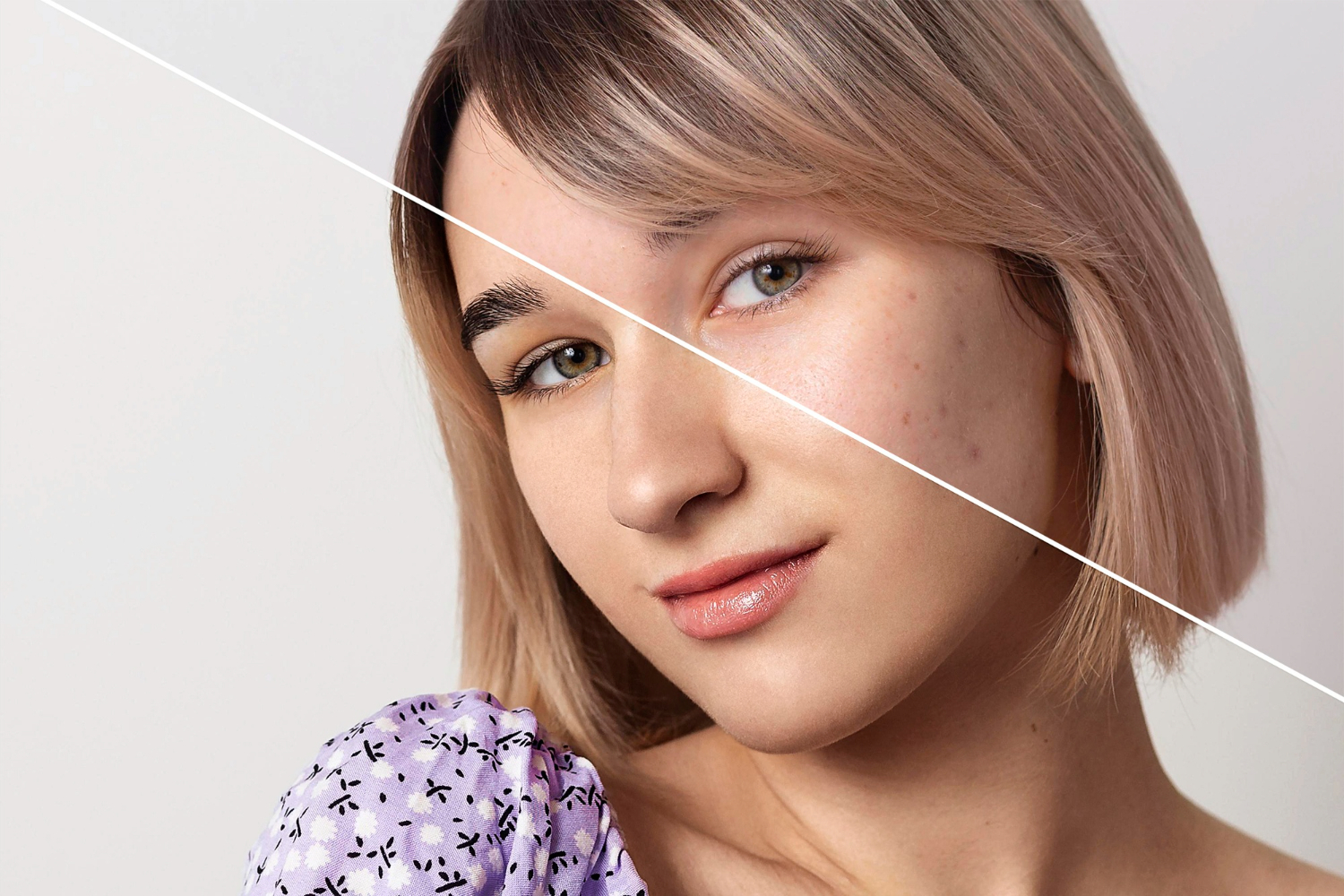




Hyperpigmentation and melasma are the most common cosmetic dermatological conditions. Many people mistake one for the other, as they share similar causes and may act and look alike. But they are two skin conditions with distinct symptoms, causes, and treatments.
If your pigmentation problem is not correctly identified or treated inappropriately, it could worsen. Understanding the distinctions between hyperpigmentation and melasma can help one make smart decisions and also prevent one from the ill effects of the treatment types or approaches one chooses for treating their skin condition.
Here, the top-notch dermatologists at Aarna Clinic in Jayanagar, Bangalore, provide a closer comparison between hyperpigmentation and melasma, along with details on their effective treatments. This guide will help you avoid mistakes in identifying and treating your skin.
Understanding Hyperpigmentation
What is Hyperpigmentation?
Hyperpigmentation is a pigmentation irregularity, a harmless skin condition in which the skin becomes dark in spots/patches due to excessive melanin deposits. Melanin is produced by specialized skin cells called melanocytes as a natural defense against UV damage. Its production increases when melanocytes become overactive or highly reactive.
Causes/Triggers of Hyperpigmentation
The main drivers of excess melanin production in the skin, the hyperpigmentation, include:
- Prolonged or frequent exposure to UV radiation
- Hormonal fluctuations during pregnancy or hormonal therapies
- Certain medications that increase sensitivity to sunlight
- Poor skincare or use of harsh products
- Inflammation or injury
- Genetic predisposition
- Aging.
Types of Hyperpigmentation Issues People Experience:
Hyperpigmentation is mainly of the following types:
- Solar lentigines (Sun spots or age spots)- These are dark brown, flat, small spots that develop on sun-exposed areas of the face and body due to chronic UV exposure.
- Post Inflammatory Hyperpigmentation (PIH)- This condition shows up as dark spots/patches after healing of acne, burns, eczema, insect bites, or any injured/inflamed skin.
- Melasma– This condition presents as dark, symmetrical, and irregular skin patches on sun-exposed areas of the face due to hormonal imbalances.
- Ephelides (Freckles)- These are reddish-light brown, small, flat spots often prominent in summer on sun-exposed areas due to genetic predisposition and fading in winter.
Understanding Melasma
What is Melasma?
Melasma is one of the main types of hyperpigmentation, characterized by brown or bluish-gray patches on the skin due to hormonal imbalance. It is a commonly occurring skin concern in pregnant women and is even referred to as the ‘mask of pregnancy’.
Causes of Melasma
The main drivers of melasma are:
- Pregnancy- During childbearing, progesterone, estrogen, and melanocyte-stimulating hormone levels rise, which further darkens the skin.
- Medications– Continued use of certain antibiotics, birth control pills, anti-seizure medications, and hypertension medications can cause dark patches as a side effect.
- UV exposure- Melasma can get worse with UV exposure from the sun or with the use of tanning beds.
- Thyroid disorders- Thyroid hormone imbalance further triggers excess melanin production.
- People with a family history, women of childbearing age, and individuals with dark skin tones are at higher risk of developing melasma.
Melasma Vs Hyperpigmentation: Key Distinctions
Here are the main differences to look for when trying to self-identify which skin condition you are having:
How Can Hyperpigmentation or Melasma Be Managed or Treated?
Hyperpigmentation and melasma require distinct treatment plans and a skincare routine curated by a dermatologist. The cause and severity of the pigmentation only help dermatologists decide on the treatment option.
If you are bothered by dark spots/patches, see a dermatologist for a thorough evaluation and receive a personalised treatment plan.
Here are the most effective dermatological treatments, tailored to melasma:
- Topicals– Hydroquinone-based topicals help reduce melanin synthesis; tretinoin-based products help increase skin cell turnover; and corticosteroids can help lighten melasma-affected skin by lessening inflammation.
- Topical or oral tranexa-mic acid- Tranexa-mic acid can help inhibit melanin production in melasma patches.
- Laser therapy- Q-switched Nd: YAG lasers can be cautiously used to thermally break down the melanin deposits in melasma patches without harming non-pigmented skin.
Generally, for hyperpigmentation, dermatologists recommend a combination approach, including professional treatment with the right skincare and lifestyle.
Here are the most recommended professional treatments:
- Skin lightening topicals: include ingredients like Vitamin C, hydroqu-inone, and retin-oids.
- Light-based therapies- like IPL (intense pulsed light), to thermally break down excess melanin, or a fractional laser to peel off the pigmented skin
- Chemical peels- like glycolic acid or salicylic acid, chosen based on the depth of pigmentation, to shed the pigmented skin layers, promote skin cell turnover, and reveal fresh, evenly toned skin from underneath.
- Microneedling with P-RP– to boost collagen production and support skin repair and rejuvenation for naturally, evenly toned skin.
Final Thoughts
Melasma and hyperpigmentation both cause skin darkening in patches, but differ in appearance, affected areas, and triggers. With recognition of the differences, patients can even advocate for an appropriate treatment plan and follow preventive measures to keep their skin evenly toned and clear.
If you are struggling with dark spots/patches, consult a leading dermatologist for melasma and pigmentation treatment in Jayanagar, Bangalore, at Aarna Clinic, for accurate identification of your concern and a personalized, affordable treatment plan.
The cost of pigmentation treatment in Jayanagar, Bangalore, starts from INR 3,500 -10,000 per session at Aarna Clinic. This can vary based on the patient’s needs, the type of procedure, and the type of treatment. Visit Aarna Clinic for details.
FAQs on Melasma and Hyperpigmentation Skin Concern
Is melasma the same as hyperpigmentation?
Any skin discoloration or darkening in spots/patches is hyperpigmentation, and melasma is one of its types. Both conditions have some variations in appearance, location, and triggers.
Do I have melasma or hyperpigmentation
As hyperpigmentation has different types, consult a dermatologist to pinpoint your skin condition.
Does melasma have a cure?
Melasma is a chronic condition that can only be managed with dermatologist-recommended treatment. Its appearance can be reduced by 80-90% with consistency in sun protection and recommended treatment.
Which is the best treatment for hyperpigmentation and melasma?
There are many effective treatments for managing melasma and hyperpigmentation. Consult a dermatologist to receive a tailored treatment plan based on your skin concern, skin type, skin tone, and treatment goals.
How can I avoid melasma and hyperpigmentation?
As the sun is the primary cause of hyperpigmentation concerns, with proper sun protection, the risk is minimal. Also, dermatologists suggest establishing a skincare routine to protect the skin from damage and support skin health.